
How to Prepare Bank Statements for a Mortgage Application: A Complete Guide
Learn how to prepare bank statements for a mortgage application. A complete guide covering what lenders look for, red flags to avoid, and how to organize your financial documents for mortgage approval.
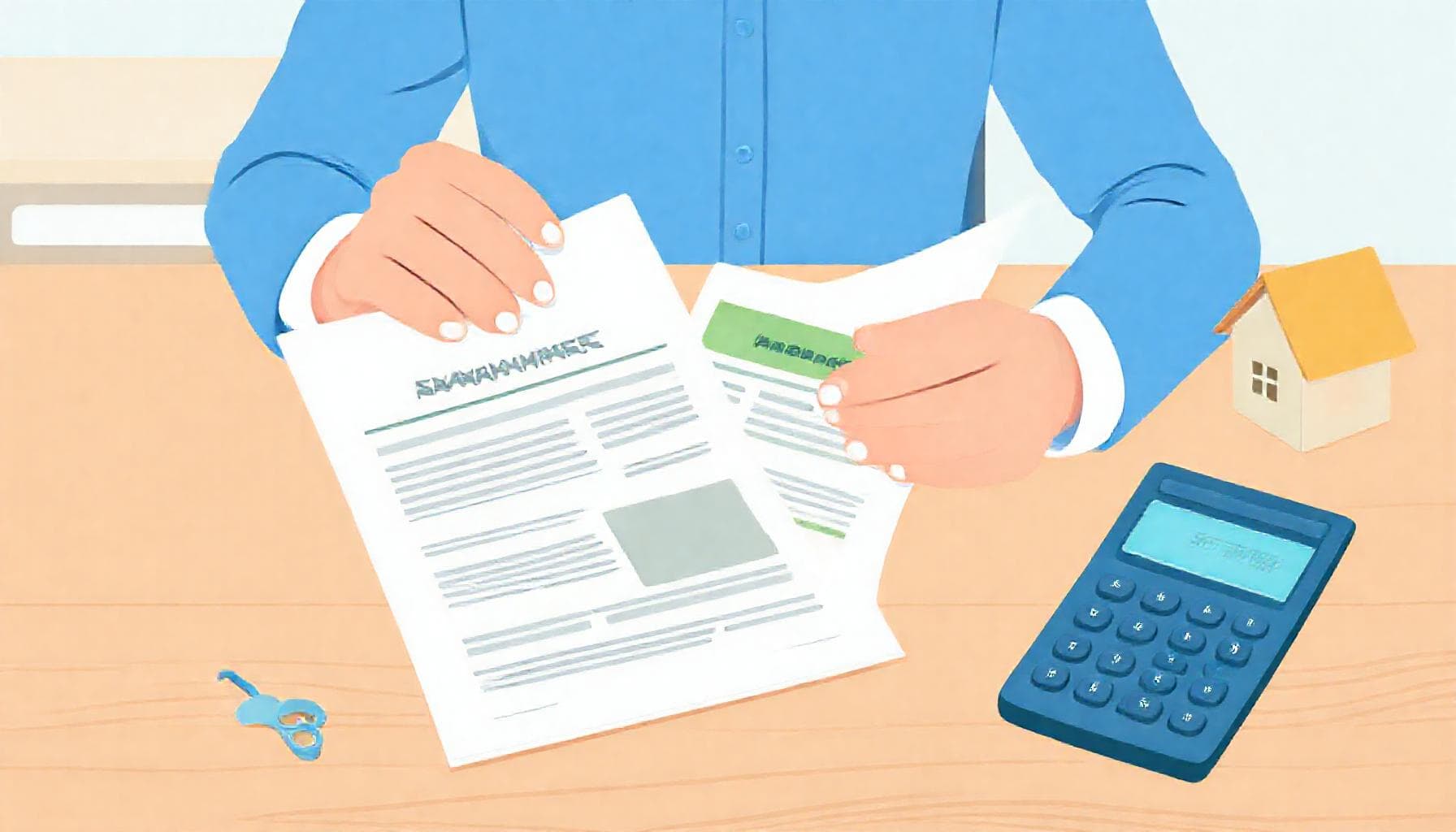
How to Prepare Bank Statements for a Mortgage Application: A Complete Guide
Applying for a mortgage is one of the most financially significant steps you'll ever take, and your bank statements are among the most important documents your lender will review. They reveal your income, spending habits, financial stability, and ability to make monthly payments — all factors that determine whether you get approved and at what interest rate.
Yet most applicants simply upload their raw bank statements without any preparation, missing opportunities to present their financial picture in the best possible light. This guide covers exactly how to prepare bank statements for a mortgage application — what lenders look for, what raises red flags, and how to make sure your statements tell the right story.
What Mortgage Lenders Look for in Bank Statements
When you apply for a mortgage, lenders scrutinize your bank statements to verify three things: your income, your spending habits, and your overall financial stability. Understanding what they're looking for is the first step to preparing your statements properly.
Income Verification
Lenders want to see that you have a consistent, reliable source of income. They look for:
- Regular deposits — Payroll deposits every two weeks or monthly show employment stability
- Sufficient income — Your income should comfortably cover the mortgage payment plus existing debts
- Income source — Deposits should come from verifiable sources (employer, clients, government benefits)
- Consistency — Irregular deposits or large gaps suggest unstable income
For self-employed borrowers, lenders typically want to see 12-24 months of bank statements to establish a consistent income pattern. Our guide on verifying self-employed income with bank statements covers this in detail.
2. Sufficient Reserves
Lenders want to see that you have enough money saved to cover the down payment, closing costs, and several months of mortgage payments. This is called "reserves." Most lenders want to see:
- Down payment funds — Clearly identifiable in your account
- Closing costs — Typically 2-5% of the purchase price
- Reserve requirements — 2-6 months of mortgage payments depending on the loan type
Large, unexplained deposits are a red flag. If you receive a gift from family for your down payment, you'll need a gift letter explaining the source. Lenders want to see that the money in your account is yours, not borrowed.
3. Responsible Spending Habits
Lenders scrutinize your spending patterns to assess financial responsibility:
- Consistent spending — No wild fluctuations or excessive discretionary spending
- No overdrafts — Frequent overdrafts suggest poor money management
- No gambling transactions — High-risk behavior is a red flag
- No payday loans — Sign of financial distress
- No large cash deposits — Unexplained cash deposits raise questions about income sources
4. Sufficient Reserves
Most lenders want to see that you have enough money saved to cover:
- The down payment
- Closing costs (typically 2-5% of the purchase price)
- 2-6 months of mortgage payments as reserves
Large, unexplained deposits are a major red flag. If you receive a gift from family for your down payment, you'll need a gift letter explaining the source. Lenders want to verify that the money in your account is genuinely yours, not borrowed.
How to Prepare Your Bank Statements for a Mortgage Application
Step 1: Gather the Right Documents
Most lenders require:
- 2-3 months of bank statements for all accounts (checking, savings, money market)
- 12-24 months if you're self-employed or have irregular income
- Statements from ALL accounts where you receive income or hold savings
Step 2: Review for Red Flags
Before submitting, review your statements for anything that might raise questions:
Large deposits. Any deposit over 50% of your monthly income needs explanation. If you received a gift from family, you'll need a gift letter. If you sold something, keep the receipt.
Frequent overdrafts. Multiple overdraft fees suggest poor money management. If you have overdrafts, be prepared to explain them.
Gambling transactions. These are a major red flag for lenders. Even small amounts can raise concerns about financial responsibility.
Payday loans or cash advances. These signal financial distress and can hurt your application.
Large cash deposits. Cash deposits are hard to trace and raise questions about income sources.
Step 3: Organize Your Statements
Lenders typically want to see:
- 2 months of the most recent statements for all accounts
- 12-24 months if you're self-employed or have irregular income
- Statements from ALL accounts — checking, savings, money market, investment
Make sure the statements are complete (all pages) and legible. If you have scanned statements, ensure they're clear and all text is readable.
Step 4: Add Explanations for Anything Unusual
If you have any of the following, prepare a brief written explanation:
- Large deposits from selling a car or other assets
- Gift funds from family (requires a gift letter)
- Transfers between accounts (show both sides)
- Irregular income patterns (seasonal work, bonuses)
- Any deposit over 50% of your monthly income
Lenders appreciate transparency. A short explanation is better than leaving them guessing.
Step 5: Use a Tool to Organize Your Statements
If you have multiple bank accounts or need to submit statements from different banks, manually organizing them is tedious. ParseMyStatement can extract clean transaction data from PDF bank statements, making it easy to:
- Combine data from multiple accounts into one spreadsheet
- Calculate average monthly income automatically
- Flag any unusual transactions for explanation
- Export clean, organized data for your lender
What Lenders Look For: A Detailed Breakdown
Income Consistency
Lenders want to see that you have a reliable income stream. They'll look at:
- Regular payroll deposits — Bi-weekly or monthly deposits from an employer
- Consistent amounts — Income that doesn't fluctuate wildly
- Verifiable sources — Deposits from known employers or clients
- Sufficient coverage — Income that comfortably covers the proposed mortgage payment plus existing debts
For self-employed borrowers, lenders typically want 12-24 months of statements to establish a consistent income pattern. If this applies to you, our guide on verifying self-employed income with bank statements covers the specific requirements.
Reserve Requirements
Most lenders want to see that you have enough money saved to cover:
- The down payment
- Closing costs (typically 2-5% of the purchase price)
- 2-6 months of mortgage payments as reserves
Red Flags Lenders Watch For
- Large unexplained deposits — Any deposit over 50% of your monthly income needs explanation
- Frequent overdrafts — Suggests poor money management
- Gambling transactions — High-risk behavior
- Payday loans — Sign of financial distress
- Inconsistent income — Irregular deposit patterns
- Large cash deposits — Hard to trace, raises questions about income sources
How to Prepare Your Bank Statements for a Mortgage Application
Step 1: Gather the Right Documents
Most lenders require:
- 2-3 months of the most recent statements for all accounts
- 12-24 months if you're self-employed or have irregular income
- Statements from ALL accounts where you receive income or hold savings
Make sure the statements are complete (all pages) and legible. If you have scanned statements, ensure they're clear and all text is readable.
Step 2: Review for Red Flags
Before submitting, review your statements for anything that might raise questions:
Large deposits. Any deposit over 50% of your monthly income needs explanation. If you received a gift from family, you'll need a gift letter. If you sold a car or other asset, keep the bill of sale.
Frequent overdrafts. Multiple overdraft fees suggest poor money management. If you have overdrafts, be prepared to explain them.
Gambling transactions. These are a major red flag for lenders. Even small amounts can raise concerns about financial responsibility.
Payday loans or cash advances. These signal financial distress and can hurt your application.
Inconsistent income. Irregular deposit patterns may require additional documentation, especially for self-employed borrowers.
Step 3: Organize Your Statements
Lenders want to see a clear, organized picture of your finances. Here's how to present your statements:
Label everything clearly. If you have multiple accounts, label each statement with the bank name and account type.
Include all pages. Missing pages raise questions. Make sure every page of every statement is included.
Highlight recurring deposits. If you want to make it easy for your lender, highlight or note regular income deposits.
Explain large transactions. If you have any deposits or withdrawals over 50% of your monthly income, add a brief note explaining the source or purpose.
Step 4: Use a Tool to Organize Your Data
If you have multiple bank accounts or need to submit statements from different banks, manually organizing them is tedious. ParseMyStatement can extract clean transaction data from PDF bank statements, making it easy to:
- Combine data from multiple accounts into one spreadsheet
- Calculate average monthly income automatically
- Flag unusual transactions for explanation
- Export clean, organized data for your lender
Common Mistakes Home Buyers Make
Mistake 1: Moving Money Between Accounts Right Before Applying
Large transfers between accounts look suspicious to lenders. If you need to consolidate funds, do it well in advance and keep records of the transfer.
Mistake 2: Making Large Deposits Without Documentation
If you receive a gift from family, sell a car, or get a bonus, keep documentation. Lenders will ask about any deposit over 50% of your monthly income.
Mistake 3: Closing Old Accounts
Lenders like to see established accounts with a long history. Closing old accounts can hurt your credit profile and reduce your available credit.
Mistake 4: Not Checking Your Statements First
Errors happen. Banks make mistakes. Review your statements before submitting them to your lender. A single incorrect transaction could raise questions.
Mistake 5: Submitting Incomplete Statements
Missing pages are a red flag. Make sure every page of every statement is included. If you're using a tool like ParseMyStatement to extract data, double-check that all transactions were captured.
How ParseMyStatement Helps Mortgage Applicants
Preparing bank statements for a mortgage application doesn't have to be stressful. ParseMyStatement automates the heavy lifting:
- Upload your PDF bank statements — from any bank, any format
- Automatic extraction — ParseMyStatement extracts all transactions with 99%+ accuracy
- Income calculation — Automatically calculates average monthly income from deposit patterns
- Red flag detection — Flags irregular deposits, overdrafts, and other warning signs
- Export to Excel or CSV — Creates a clean, organized file for your lender
Instead of spending hours manually reviewing and organizing your statements, you can get a complete, lender-ready data package in seconds.
What to Do If Your Bank Statements Have Issues
If You Have Large Deposits
Prepare a written explanation and supporting documentation. If it's a gift from family, get a gift letter. If it's from selling an asset, keep the bill of sale or transfer receipt.
If You Have Overdrafts
Be upfront with your lender. Explain the circumstances. A single overdraft is usually not a problem, but frequent overdrafts need explanation.
If You're Self-Employed
Lenders will want to see 12-24 months of bank statements to establish a consistent income pattern. Our guide on verifying self-employed income with bank statements covers this in detail.
If You Have Multiple Accounts
Consolidate your statements and organize them by account. ParseMyStatement can help you combine data from multiple accounts into one clean spreadsheet.
Final Checklist
Before submitting your bank statements to your lender, run through this checklist:
- All pages are included and legible
- Large deposits have explanations and supporting documentation
- Gift funds have a signed gift letter
- Self-employed borrowers have 12-24 months of statements
- All accounts are included (checking, savings, investment)
- Statements are from the most recent 2-3 months
- Red flags (overdrafts, gambling, payday loans) are addressed
- Data is organized and easy to review
Need help with academic or professional writing? Check out Typill — an AI writing assistant that helps you write better essays, research papers, and business documents." }
Stop retyping bank statements
Convert PDF bank statements to clean CSV, Excel, or JSON in 30 seconds — no signup required to try.
Try ParseMyStatement FreeFAQ